
EBRD, EPCG and Rudnik Uglja Sign MoU to Advance Montenegro’s Green Energy Transition
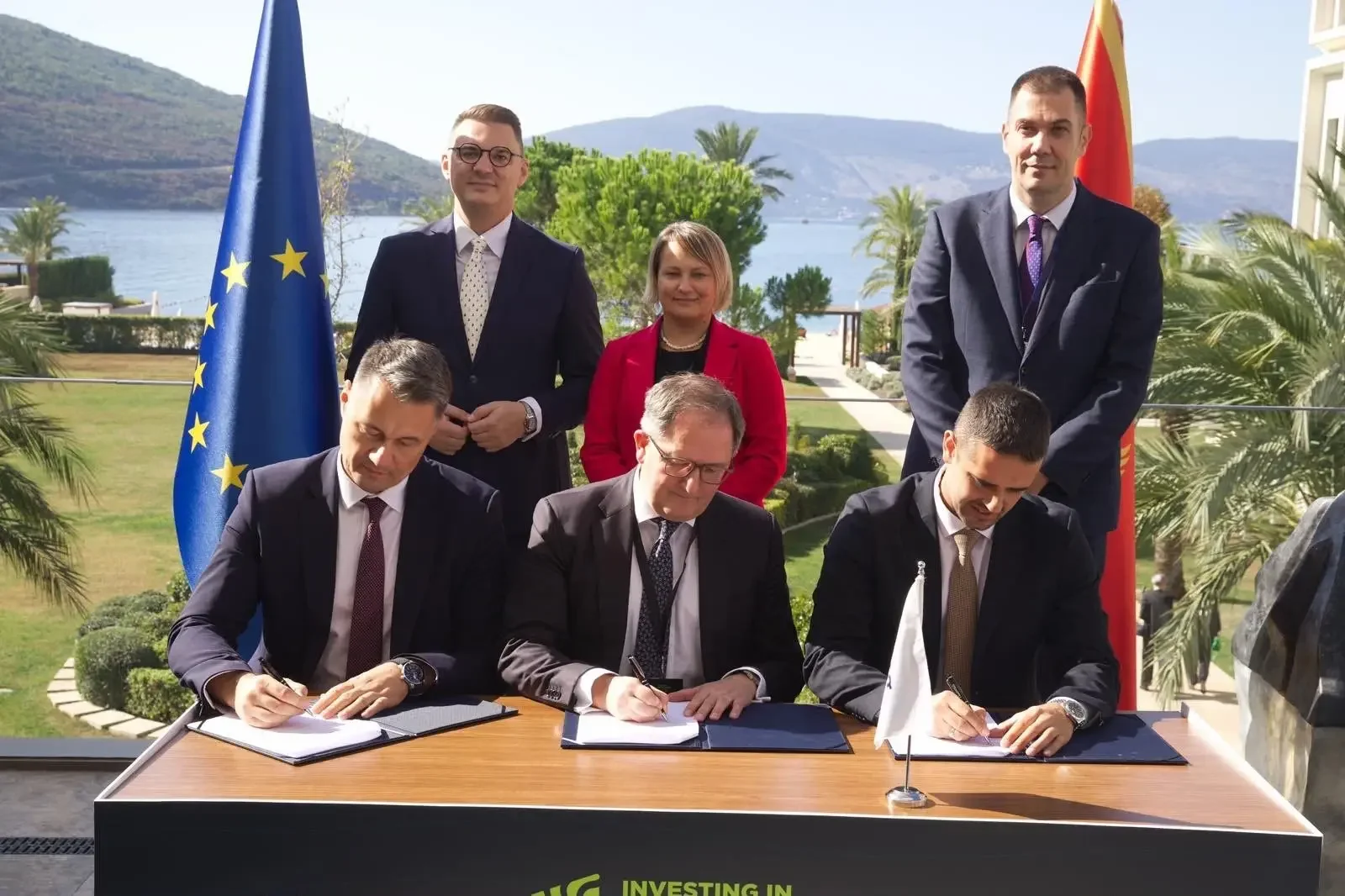
The European Bank for Reconstruction and Development (EBRD), Montenegro’s state-owned electricity producer Elektroprivreda Crne Gore (EPCG), and coal mining company Rudnik Uglja have signed a memorandum of understanding (MoU) to support the green energy transition of Pljevlja, a major energy hub in northern Montenegro.
The agreement marks a step toward reducing the country's dependence on coal while accelerating investment in renewable energy infrastructure, energy storage and sustainable heating solutions.
Solar Energy and Battery Storage at the Center of the Agreement
Under the memorandum, the three parties will cooperate on developing a solar power project equipped with a battery energy storage system (BESS) on land previously used for mining operations.
The initiative also includes exploring environmentally sustainable solutions for Pljevlja's district heating network, alongside technologies for thermal energy storage.
These projects are intended to support the transformation of Pljevlja's energy infrastructure while creating opportunities to repurpose former coal mining sites for renewable energy generation.
Montenegro's Transition Away from Coal
Pljevlja is home to Montenegro's only coal-fired thermal power plant, TE Pljevlja, which is operated by EPCG and accounts for approximately 40% of the country's electricity generation.
Under Montenegro's National Energy and Climate Plan, aligned with European Union energy and climate objectives, the country is expected to gradually phase out the plant by 2041 as part of its transition toward cleaner energy sources.
The transition carries significant economic and social implications for the municipality. Approximately 1,500 people are directly employed by the power plant and coal mine, while an estimated 5,000 residents depend on the wider energy complex and related businesses.
Renewable Energy Investment and Economic Diversification
Rudnik Uglja has already begun diversifying its operations as Montenegro prepares for a future with reduced reliance on coal.
According to the company's management, recent renewable energy developments include the 62 MW Grevo solar power plant and a 2.2 MW small hydropower facility on the Ćehotina River. Both projects are expected to incorporate energy storage infrastructure.
Beyond energy generation, the company has expanded into manufacturing workplace safety equipment, asphalt production and timber-related activities, seeking to establish alternative sources of revenue and employment.
These efforts form part of a broader strategy to support economic diversification in Pljevlja while maintaining the municipality's role in Montenegro's energy sector.
International Financial Institutions Support the Transition
The EBRD-backed cooperation comes as Montenegro seeks additional international financing to accelerate the transformation of Pljevlja's energy system.
In September 2026, Montenegro's Ministry of Energy disclosed discussions with the World Bank concerning a proposed €50 million green energy project, with a significant portion of the investment expected to support the construction of a renewable-powered heating facility.
Together, these initiatives highlight the growing involvement of international financial institutions in Montenegro's energy transition, particularly in renewable electricity generation, energy storage and sustainable district heating.
The new memorandum represents another step toward positioning Pljevlja as a center for cleaner energy development while addressing the economic challenges associated with the gradual phaseout of coal.
